5 Laws That Will Help Those In Order Counterfeit Money Industry
Understanding the Implications of Ordering Counterfeit Money
Over the last few years, the expansion of online markets, dark web online forums, and numerous digital platforms has generated substantial concerns regarding counterfeit money. Order counterfeit money is a phrase that has gotten attention both for its illegal nature and the prospective repercussions for individuals who might consider taking part in such activities. As technology has actually advanced, so too have the abilities of counterfeiters, making it progressively important for people to comprehend the risks associated with counterfeit currency.
What is Counterfeit Money?
Counterfeit money describes coins, banknotes, or currency that are produced without the legal sanction of the federal government and are planned to be used as if they were authentic. Counterfeiters might utilize a variety of methods to recreate currency, consisting of high-quality printing methods, sophisticated graphic design, and using special inks and paper that imitate the appearance and feel of authentic money. While some counterfeit money can be quite persuading, experts in the field of currency detection and police have developed techniques to determine fakes.
The Efficiency of Modern Counterfeiting
Counterfeiters continue to evolve their techniques, particularly as technology establishes. Get Source , the increase of 3D printing, advanced graphic design software application, and online markets develops an environment ripe for counterfeit production. Sadly, people trying to order counterfeit money frequently ignore the threats involved, consisting of legal consequences and prospective financial loss.
The Legal Ramifications of Ordering Counterfeit Money
It is important to understand that buying counterfeit money is unlawful in a lot of jurisdictions all over the world. The legal ramifications can be severe, including:
Criminal Charges: Engaging in the production, distribution, or usage of counterfeit currency is a criminal offense. People caught in ownership of counterfeit money may face felony charges, leading to substantial fines and prospective imprisonment.
Civil Liabilities: In addition to criminal charges, people might likewise face civil lawsuits from entities that suffer a monetary loss due to counterfeit activity. These legal fights can be costly and harmful to one's individual and monetary track record.
Loss of Credibility: Associating with illegal activities can lead to a damaged credibility, impacting relationships, profession potential customers, and total individual and professional credibility.
The Impact on the Economy
Counterfeit currency not only affects individual victims but also presents a risk to the general economy. The presence of fake money can lead to:
Inflation: The influx of counterfeit money into the economy can decrease the total value of legitimate currency and add to inflation.
Loss of Trust: Widespread counterfeiting damages public self-confidence in the currency system, making both consumers and organizations careful of transactions.
Economic Drain: Law enforcement and banks invest considerable resources in combating counterfeiting, resulting in financial inadequacies and increased costs for businesses that might ultimately be handed down to consumers.
Acknowledging Counterfeit Money
Understanding how to determine counterfeit money is important for consumers, businesses, and banks alike. Counterfeit detection can save individuals from becoming victims of scams. Here are some typical attributes to search for:
Watermark: Genuine currency typically includes a distinctive watermark that shows up when held up to the light.
Texture: Real banknotes are printed on unique paper that has a distinct texture and feel.
Color-Changing Ink: Many genuine banknotes have ink that alters color when slanted.
Microprinting: Genuine currency usually consists of small text that is tough to reproduce precisely.
Security Threads: Embedded security threads can be seen when the bill is held up to the light.
By becoming acquainted with these security functions, people can much better safeguard themselves versus counterfeit money.
FAQs about Counterfeit Money
What should I do if I receive counterfeit money?
If you get thought counterfeit money, do not try to pass it along. Rather, report it to your local police or the Secret Service in the United States. They have treatments in place for handling counterfeit currency.
Can I get in difficulty if I unconsciously accept counterfeit money?
Yes, although intent is typically a factor in legal matters, being in ownership of counterfeit currency may still lead to potential legal ramifications. It's always best to validate currency before accepting it, particularly in uncertain scenarios.
How can businesses protect themselves from counterfeit money?
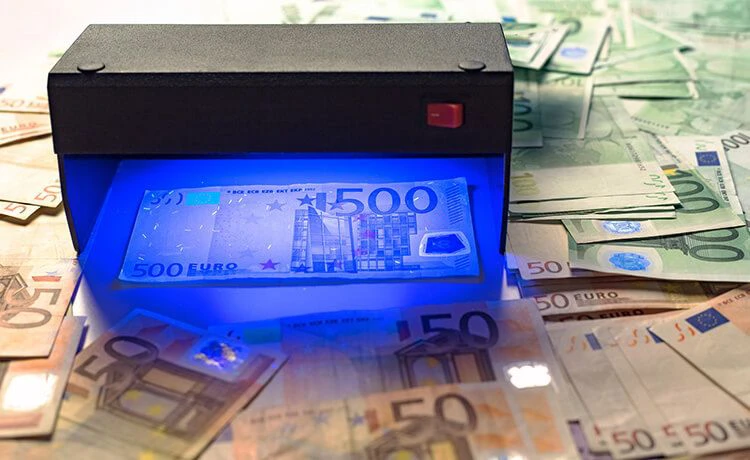
Organizations can invest in counterfeit detection tools, conduct employee training on determining fake money, and adopt strict money handling protocols to decrease the risk of receiving counterfeit notes.
Is purchasing counterfeit money safe in any method?
No, purchasing counterfeit money is prohibited and brings substantial risks, consisting of arrest, monetary loss, and legal effects. It is never a safe or a good idea action.
The temptation to order counterfeit money might develop from aggravations with monetary situations or financial challenges, however it is a risky path with extreme repercussions. Both people and organizations ought to stay alert against the hazard of counterfeit currency, recognizing the importance of sticking to the law and promoting an honest economic environment. Understanding the indications of counterfeit money, the legal implications of engaging with it, and the larger implications for the economy at large is vital for safeguarding oneself and promoting a more safe and secure monetary future.